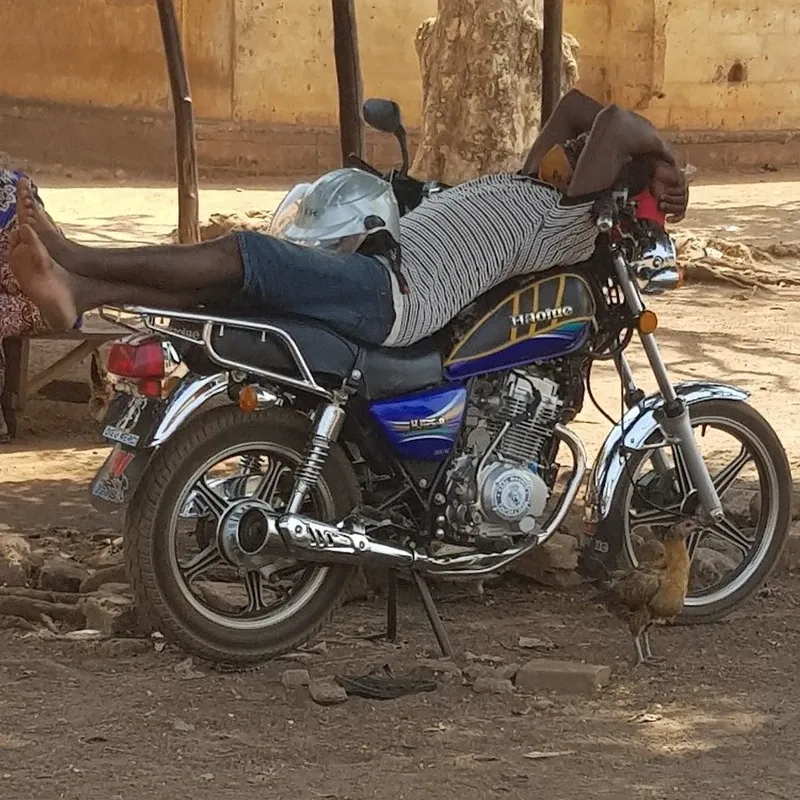
About Togo
Togo is one of the poorest countries in the world. It has a little over 9 million inhabitants and is about one sixth the size of Germany. Being close to the equator it has a tropical climate all year round, with 22 to 28 °C at night and 32 to 39 °C during the day. Togo is a tropical, rain-fed agricultural country with a low level of training in crop farming. Almost two thirds of the population work in agriculture. The main crops are maize, yams, cassava and rice. Farms are small, field work is done laboriously by hand, yields are low and there is no money for machines.
Togo is divided into five regions: Maritime, Plateaux, Centrale, Kara and Savanes. From 1884 to 1914 Togo was a German colony; a railway line from that time is still partly in use. Germans are still welcome guests in Togo today, which makes many things easier. From 1914 Togo was under French administration, so French is the official language, alongside widely spoken Ewe and Kabiyè. Togo has been independent since 1960. The deep-water port in the capital Lomé is one of the largest on the West African coast and economically very important.
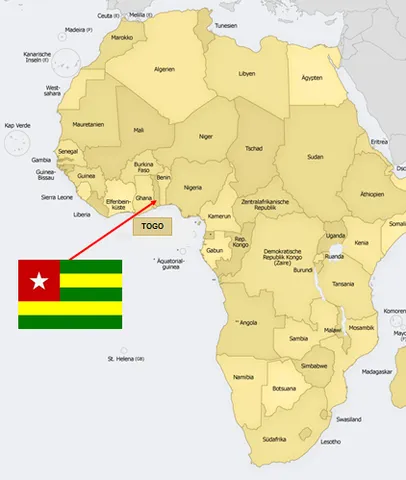
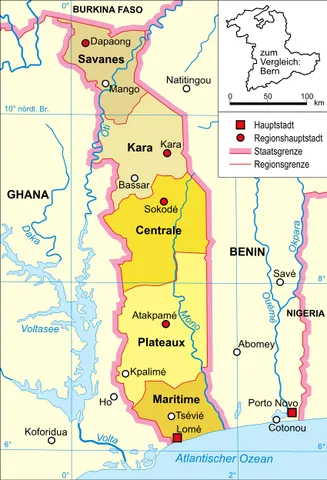
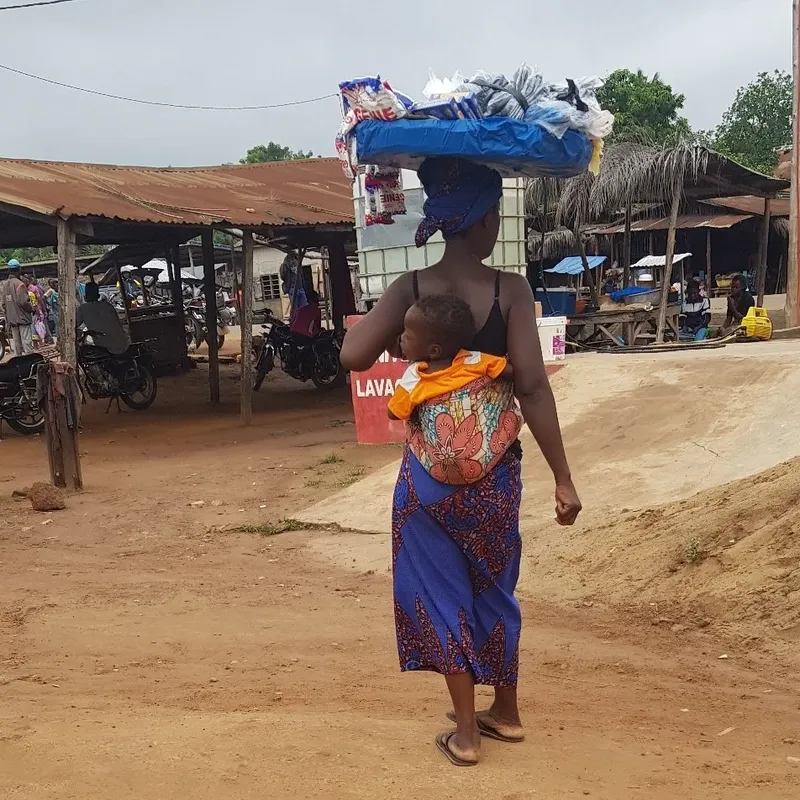
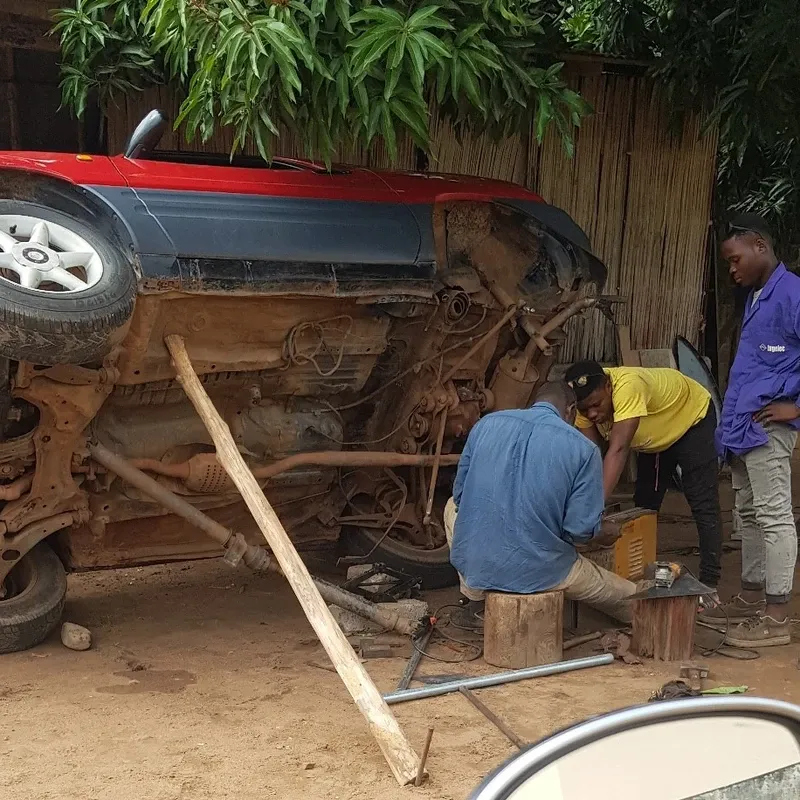
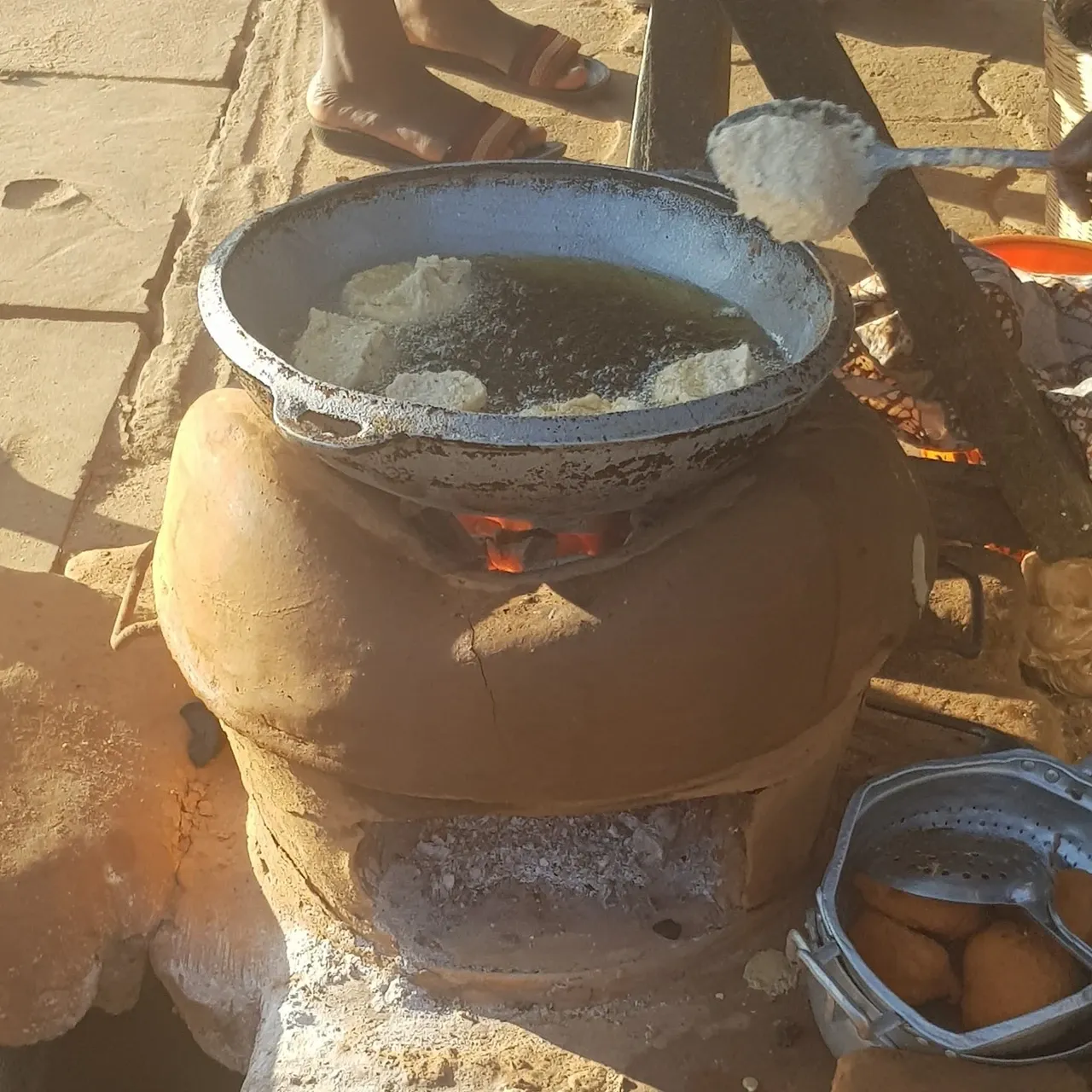
Photo impressions from Togo
Everyday life
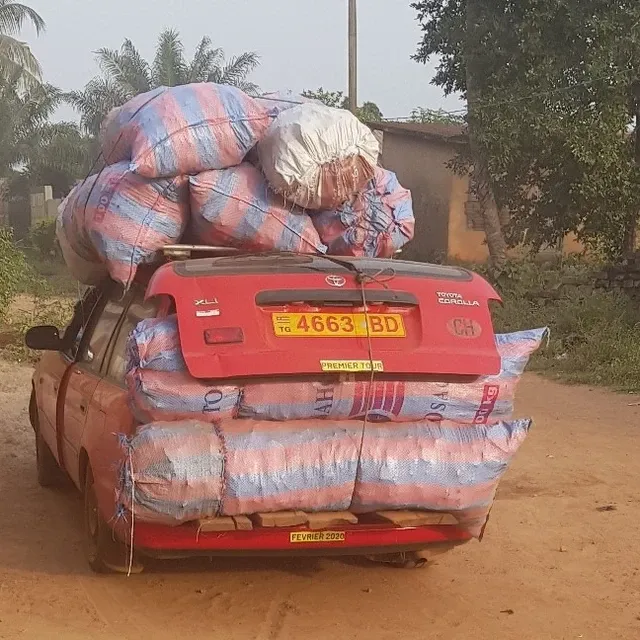
Transport
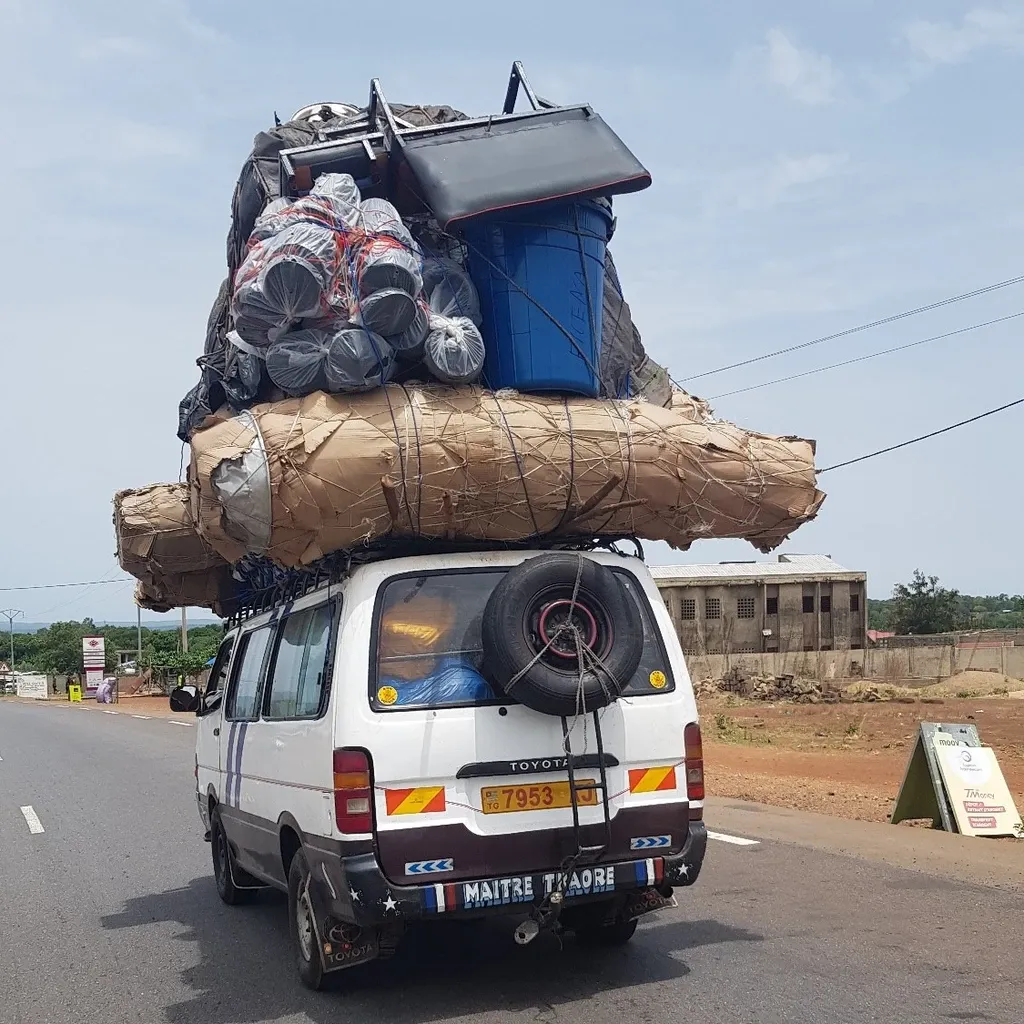
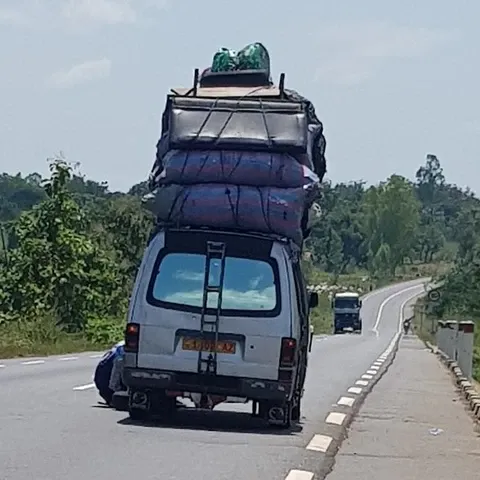

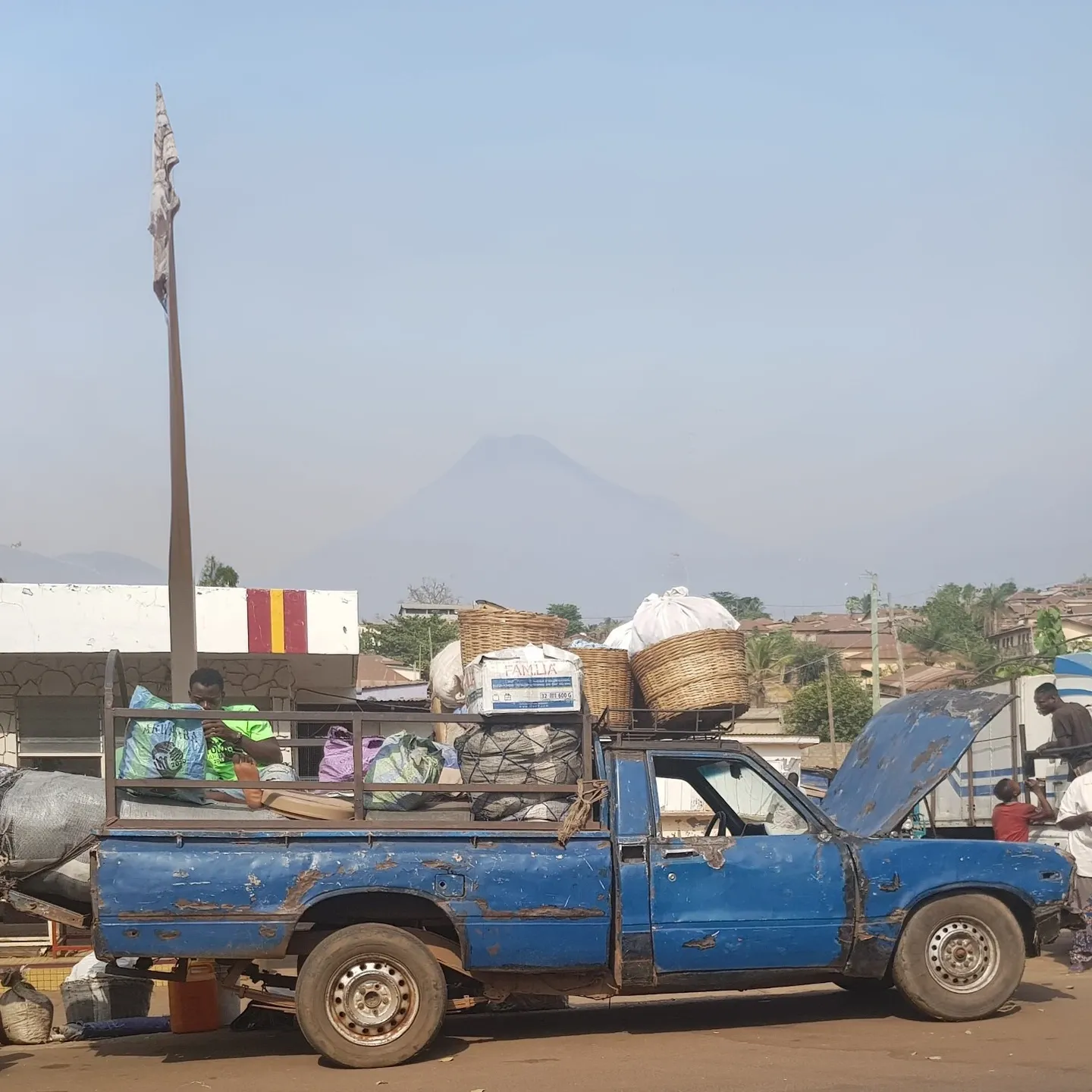
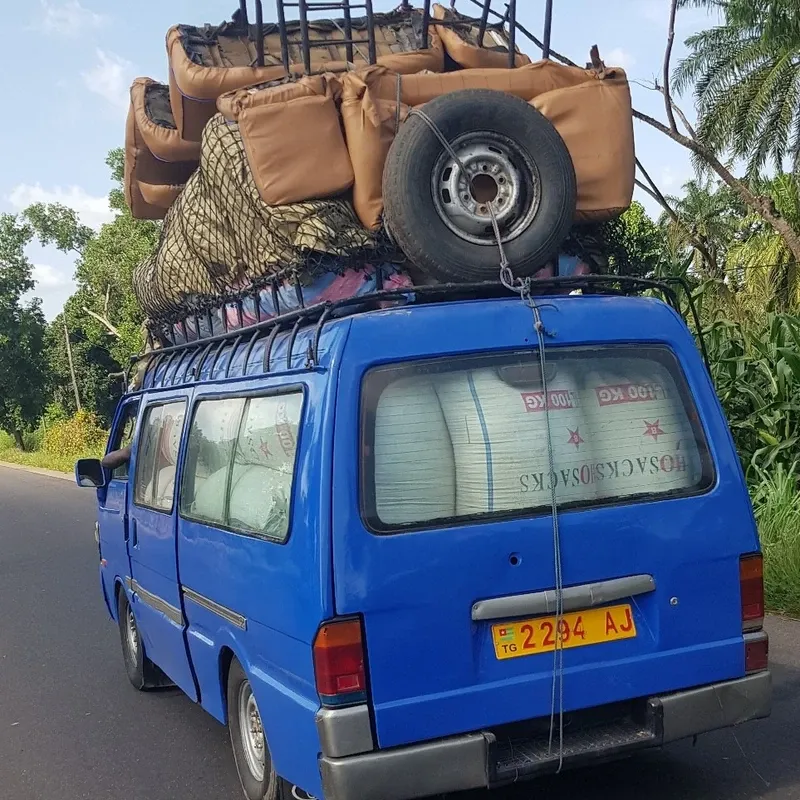
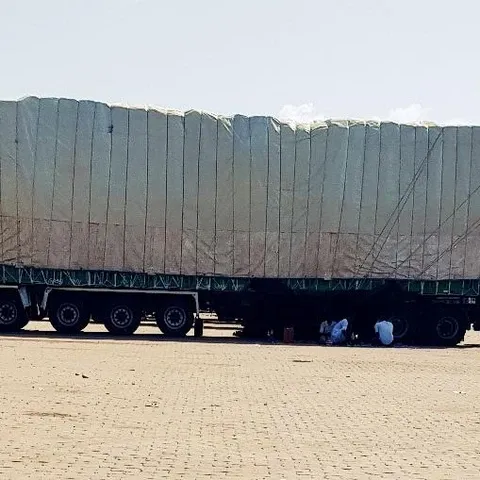
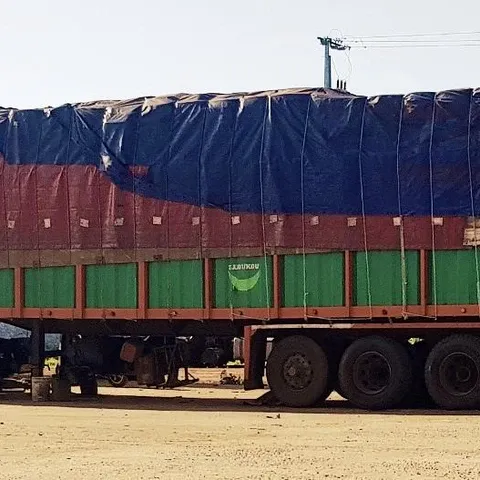
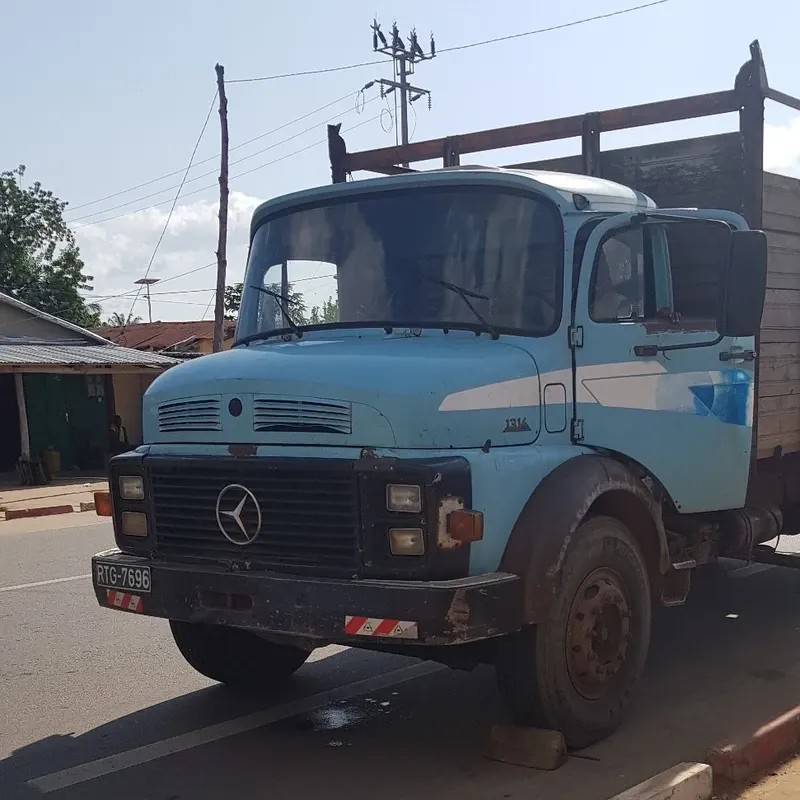
Truck traffic
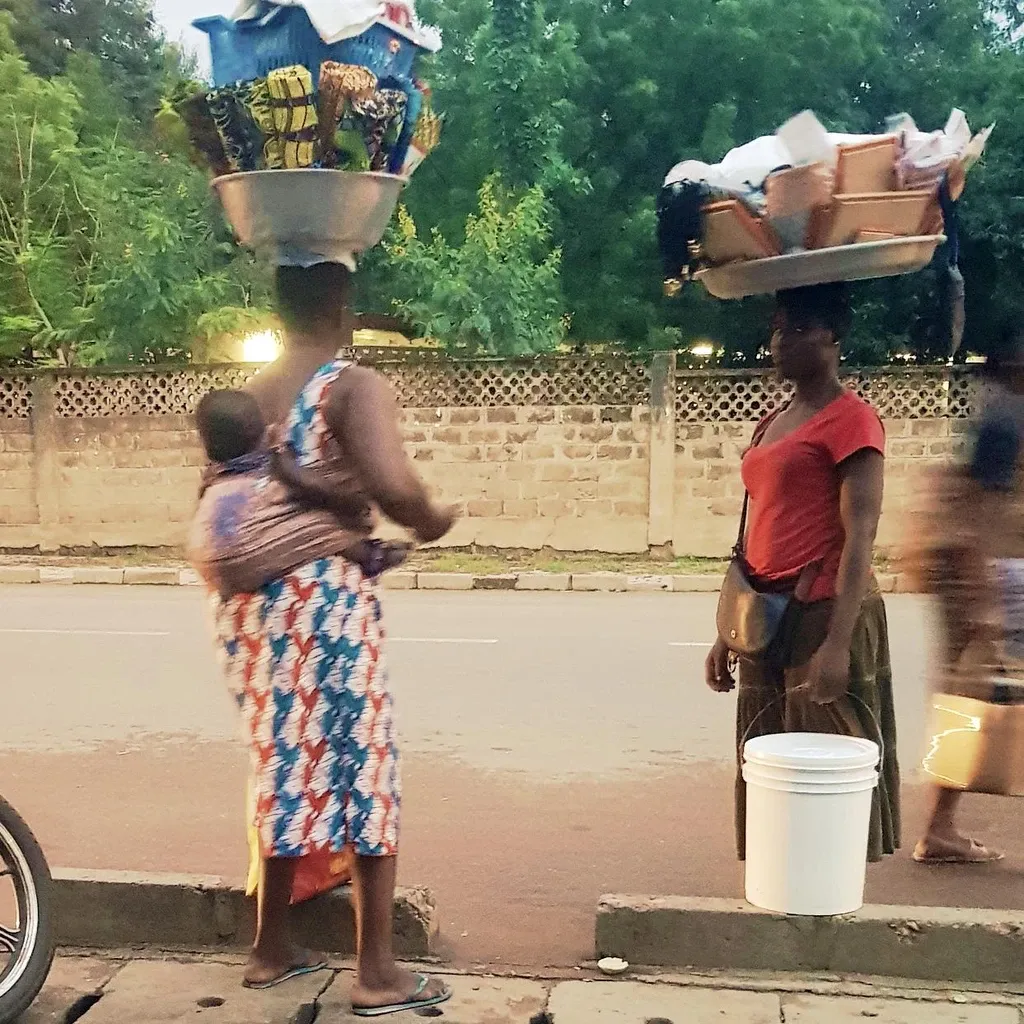
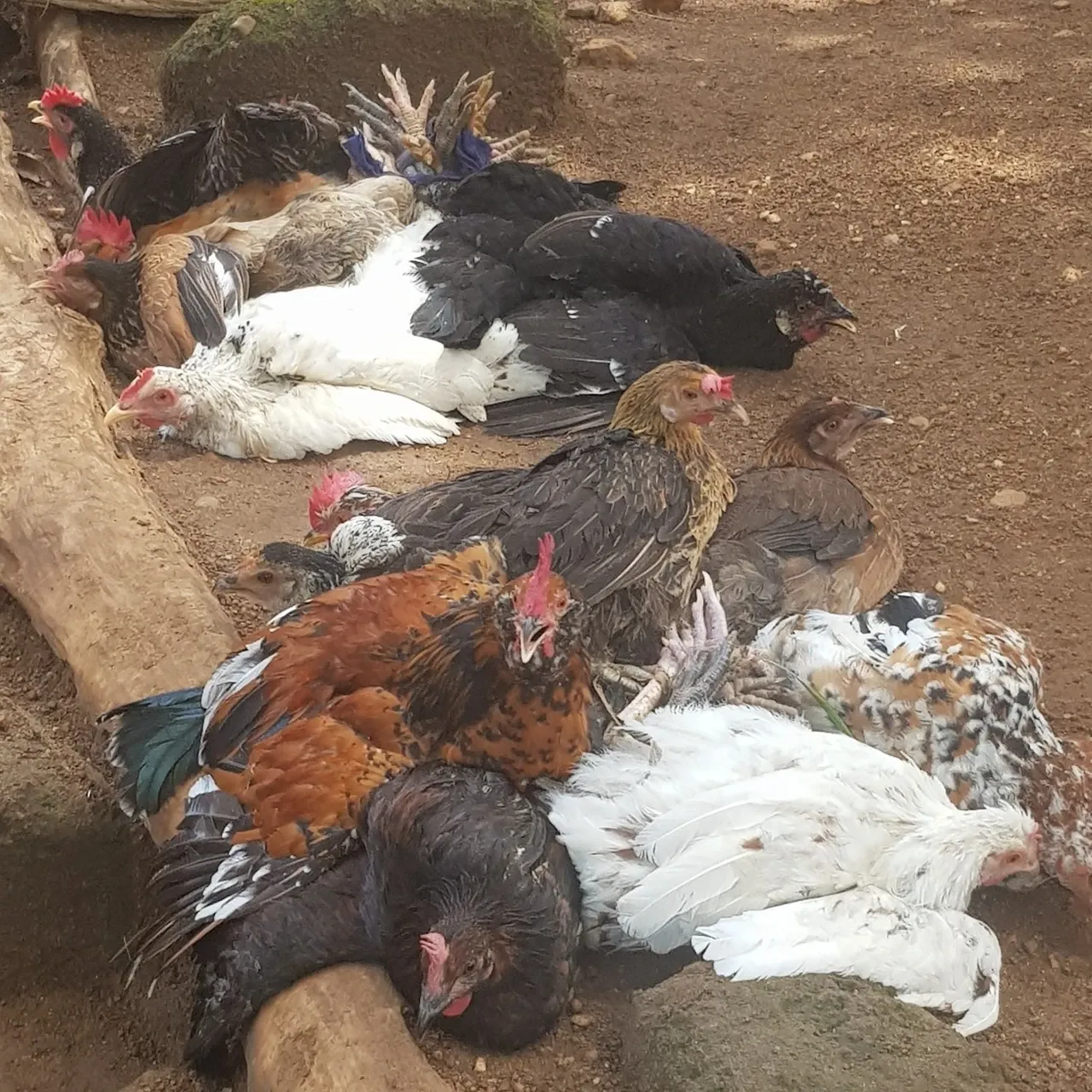
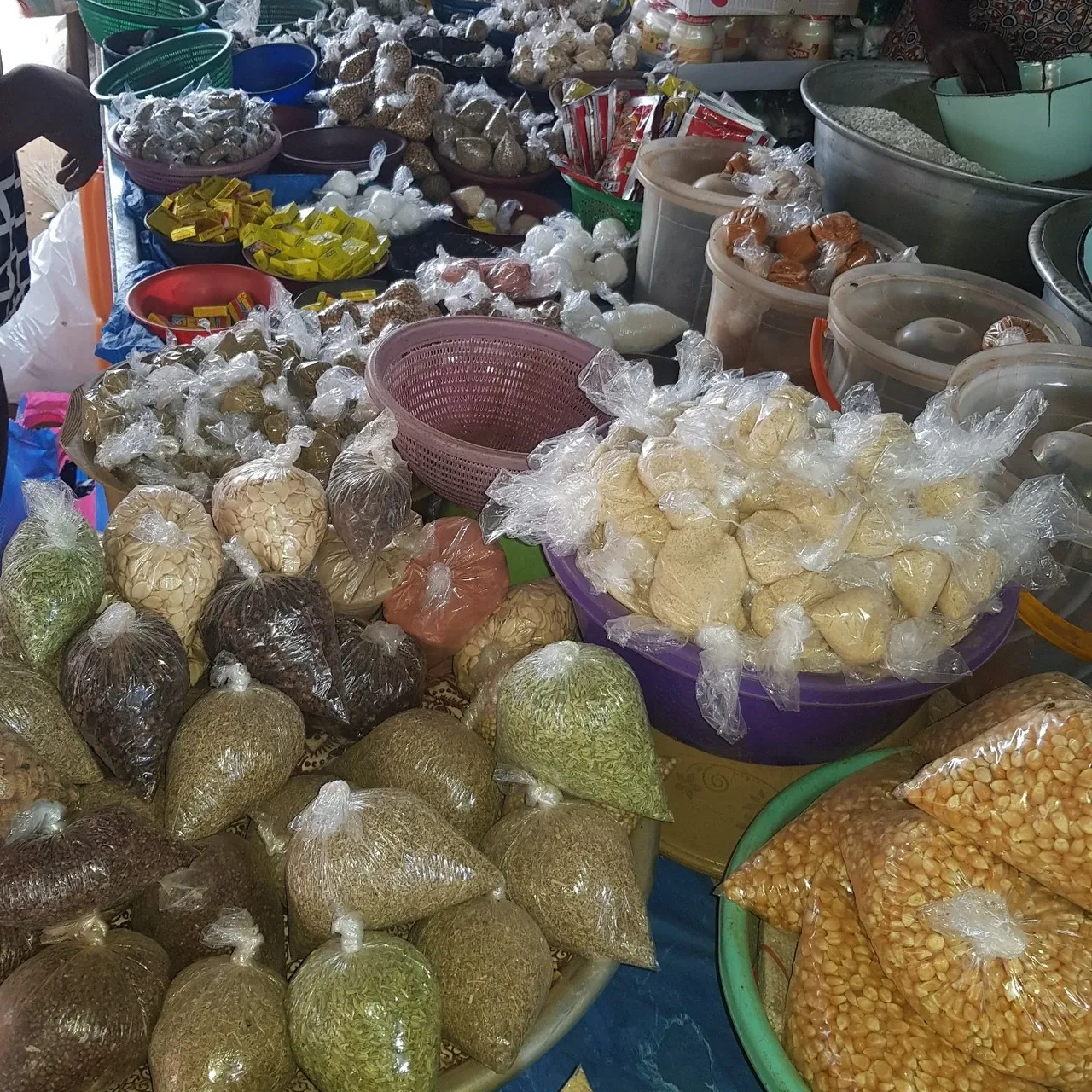
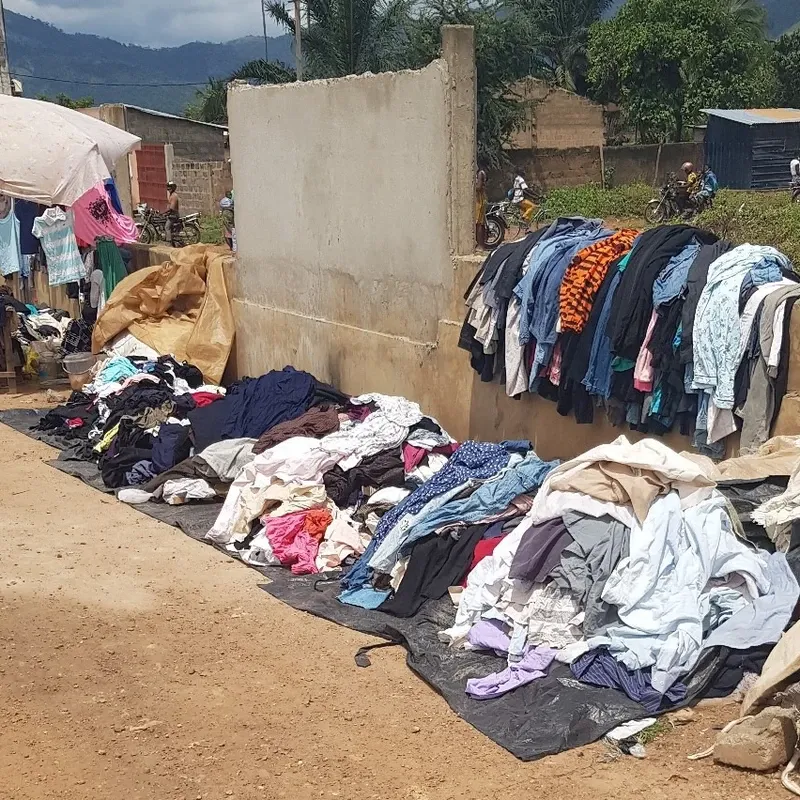
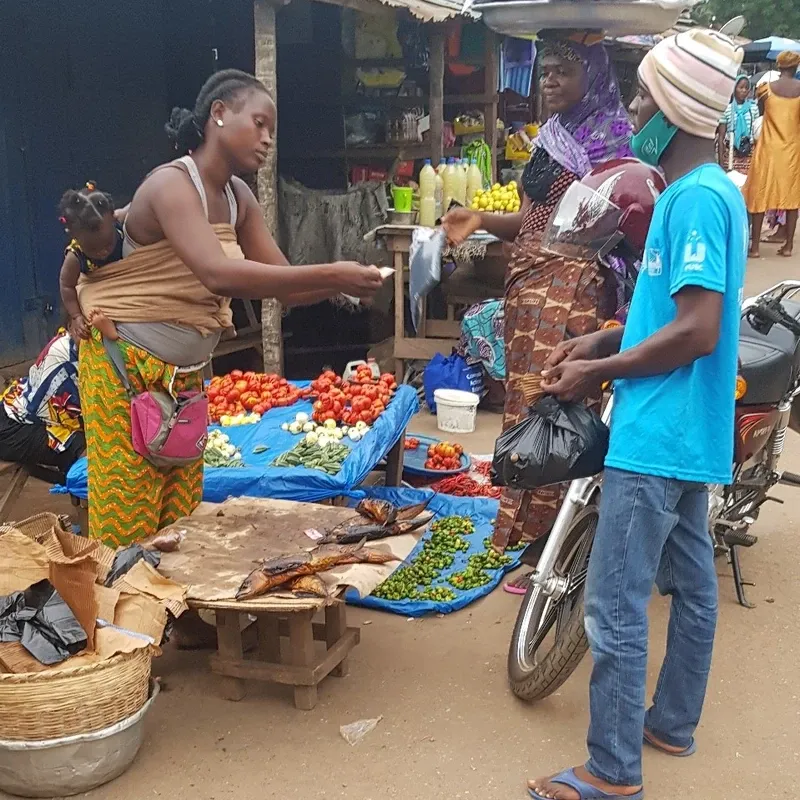
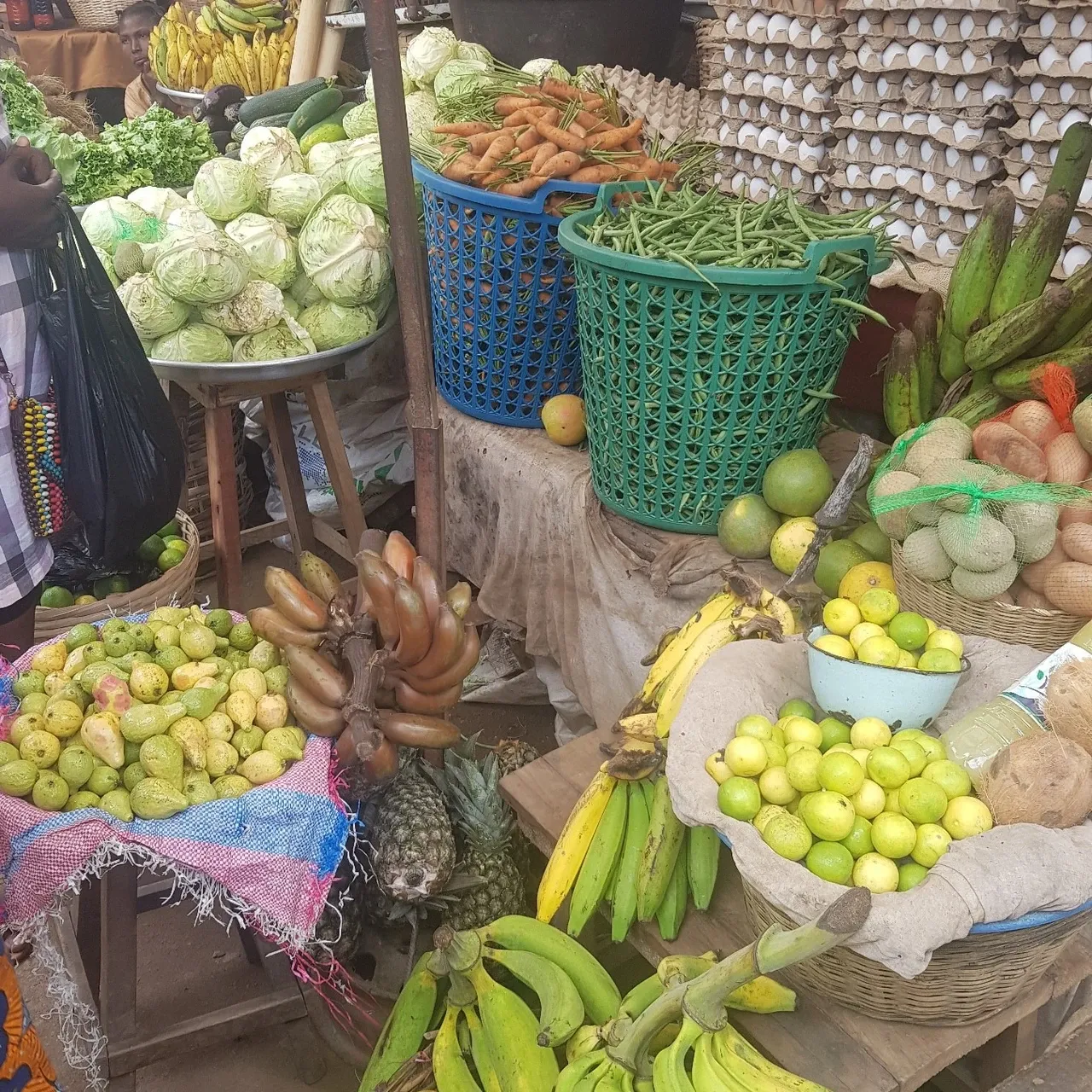
Markets and trade
Motorbikes